
FIFA World Cup 2026 Betting
World Cup 2026 Schedule in NZ Time - Every Match, Every Kick-Off
 Available in US
For once, Kiwi sports fans do not have to sacrifice sleep to watch the biggest tournament in football. Unlike European-hosted World Cups that kick off between midnight and 6am NZT, or Asian tournaments that fill the small hours with group stage drama you can only follow through bleary-eyed score notifications, the 2026 FIFA World Cup in North America delivers every single match during New Zealand daytime hours. The earliest kick-offs fall around 6am NZT, and the latest – including the All Whites fixtures – land comfortably in the early afternoon. This is the most viewer-friendly World Cup schedule New Zealand has ever had, and it changes how you watch, how you punt, and how you plan your June and July.
I have converted every match to NZT, flagged the All Whites fixtures that you need to block in your calendar immediately, and broken down the full 39-day schedule into the phases that matter most for betting: group stage matchdays, the Round of 32, quarter-finals, semi-finals, and the final. This is your world cup 2026 schedule nz time reference for the entire five-week tournament – bookmark it, print it, pin it to the wall above your desk.
Time Zones Decoded: NZT, ET and Kick-Off Times
A mate of mine missed the 2014 World Cup final because he set his alarm for the wrong time zone. He thought he was converting from Brazilian time but used the wrong offset, woke up an hour after kick-off, and spent the rest of the day avoiding social media. I have been paranoid about time zone conversions at major tournaments ever since. Here is the simple version for 2026.
The World Cup takes place across three time zones in North America. The vast majority of matches are scheduled around Eastern Time (ET), which is UTC-4 during the North American summer (daylight saving). New Zealand Standard Time (NZST) during June and July is UTC+12 – it is winter in New Zealand, so we are on standard time, not daylight saving. The difference between ET and NZST is 16 hours. When a match kicks off at 9pm ET on a Wednesday, it is 1pm NZST on Thursday. Matches scheduled at 12pm ET noon kick off at 4am NZST the following day – still early, but significantly better than European tournament schedules.
Venues in the Central Time zone (Houston, Dallas, Kansas City, Mexico City, Monterrey, Guadalajara) are one hour behind ET, meaning a 6pm CT kick-off is 7pm ET or 11am NZST the following day. Pacific Time venues (Seattle, San Francisco, Los Angeles, Vancouver) are three hours behind ET, so a 6pm PT kick-off is 9pm ET or 1pm NZST the following day. The All Whites’ Group G matches are primarily at Pacific Time venues – SoFi Stadium in Los Angeles and BC Place in Vancouver – which pushes their kick-offs to the most convenient NZT slots of all.
The practical rule: add 16 hours to any ET kick-off time and move forward one calendar day. That gives you the NZT equivalent. For the matches scheduled in the afternoon ET window (typically 12pm to 3pm ET), the NZT conversion falls between 4am and 7am – early starts for Kiwi viewers, but not the middle-of-the-night torture that previous World Cups inflicted. The evening ET window (6pm to 10pm ET) converts to 10am to 2pm NZT, which is prime viewing territory. Most knockout matches and all matches involving marquee teams are scheduled in the evening ET slots, meaning Kiwi punters get the best matches at the best times.
All Whites Match Schedule – Mark Your Calendar
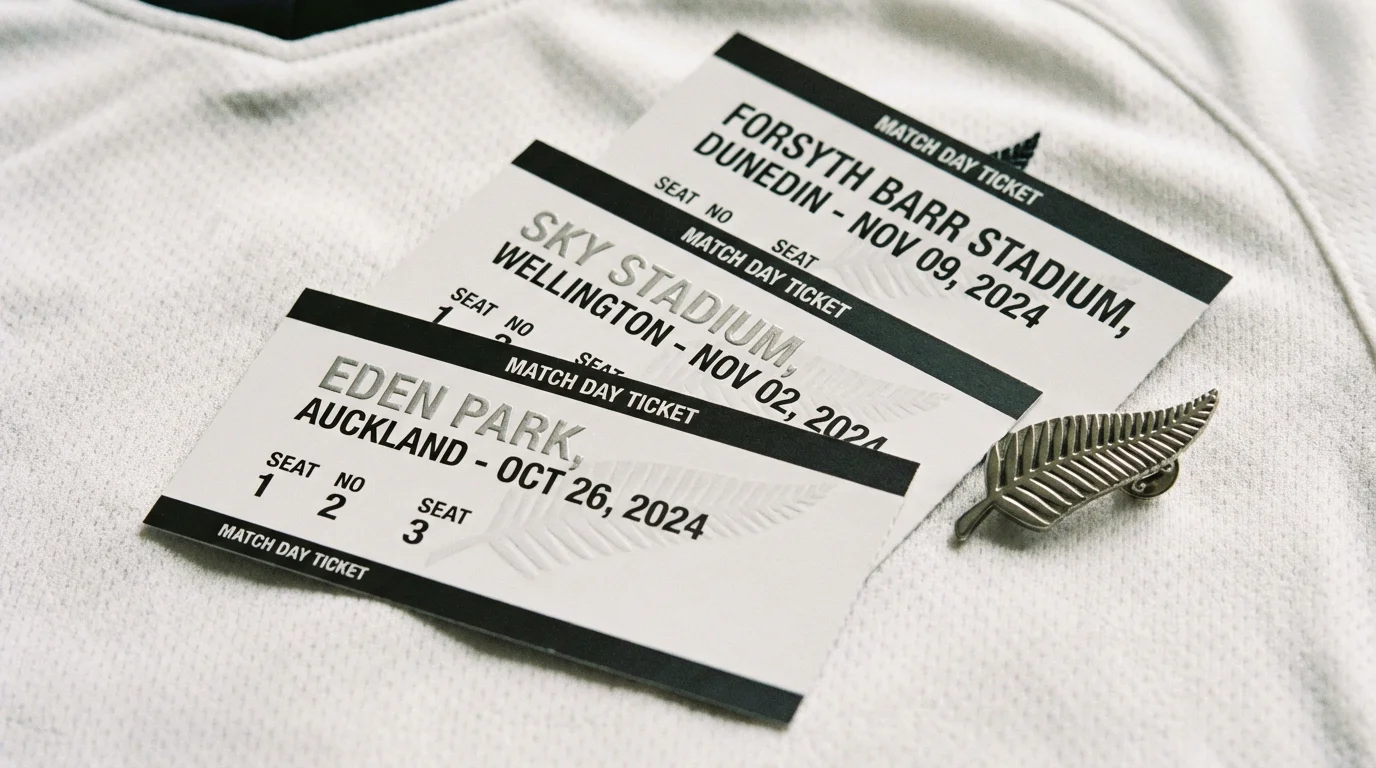
These are the three dates that every Kiwi football fan has been waiting sixteen years for. I am writing them in bold NZT because that is the only time that matters to us.
Match 1: Iran vs New Zealand on Monday 16 June at 1pm NZT. SoFi Stadium, Los Angeles. This is the opening fixture for both teams in Group G, and it carries unique uncertainty because of Iran’s participation status. If Iran field their strongest squad, this is a tough match – Iran have been a consistent AFC force with quality across the pitch. If Iran are weakened or withdraw, the replacement scenario and its odds implications are impossible to predict until FIFA confirms the situation. Either way, the 1pm NZT kick-off is perfect for a long lunch break, and every pub in the country with a screen will be showing this match.
Match 2: New Zealand vs Egypt on Sunday 22 June at 1pm NZT. BC Place, Vancouver. The pivotal fixture. Egypt’s squad quality, led by Mohamed Salah, is superior to New Zealand’s on paper, but the All Whites have the advantage of a quasi-home crowd – the Kiwi community in Vancouver is one of the largest outside Australasia, and BC Place’s enclosed roof creates an atmosphere that amplifies crowd noise. This is the match where the All Whites’ World Cup will be decided. A win opens the door to the Round of 32. A draw keeps the door ajar. A loss makes the Belgium match a mathematical afterthought.
Match 3: New Zealand vs Belgium on Friday 27 June at 3pm NZT. BC Place, Vancouver. The final group match for both teams. If the All Whites have already secured points from their first two fixtures, this match becomes an exercise in damage limitation – keep the scoreline tight to protect goal difference for the third-place rankings. If New Zealand need a result, facing Belgium is the hardest possible scenario, but Belgium may rest key players if they have already qualified. The 3pm NZT kick-off is slightly later than the other two, which means Kiwi punters have the entire morning to assess the group situation before deciding whether a live bet during the match is worthwhile.
Full Group Stage Schedule in NZT
The group stage runs from 11 June to 27 June ET, which translates to 12 June to 28 June NZT for most matches. Seventy-two matches across sixteen days, with up to four fixtures per day during the busiest stretch. I have broken the schedule into three phases because each phase has different characteristics for betting.
Matchday 1: Opening Round
The tournament opens on Wednesday 11 June ET with Mexico vs South Africa at Estadio Azteca in Mexico City. For New Zealand viewers, that match kicks off at approximately 10am NZT on Thursday 12 June – a winter Thursday morning start to the biggest football event in history. The first round of group matches stretches across four days, from 11 to 14 June ET (12 to 15 June NZT), with each group playing its first two fixtures. This is the phase where pre-tournament betting models are tested against reality. Teams that looked strong in qualifying face the pressure of a World Cup opener, and historically, matchday one produces the highest rate of draws and upsets across the group stage.
The opening round schedule is typically staggered to give broadcasters maximum coverage – two matches in the early ET afternoon window (converting to 4am to 7am NZT) and two in the prime-time evening ET window (converting to 10am to 2pm NZT). For Kiwi early risers, the dawn matches offer a unique routine: coffee, toast, and a Group A dead rubber before the office. For those who prefer civilised hours, the afternoon NZT slots carry the headline fixtures – expect Group G’s opener between Belgium and Egypt on 15 June ET (16 June NZT at approximately 8am) followed by Iran vs New Zealand later that same NZT day at 1pm.
For Kiwi punters, the opening round is observation time. I place fewer bets on the first two days of a World Cup than at any other point in the tournament, because the opening matches reveal information about team preparation, tactical setups, and player fitness that no amount of pre-tournament analysis can replicate. A team’s opening 30 minutes at a World Cup tells you more about their mental state than six months of qualifying data. Use this phase to watch, take notes, and adjust your models before committing your bankroll to the later rounds. The matches you observe on 12 and 13 June NZT will directly inform the bets you place from matchday two onwards.
Matchday 2: Mid-Group
The second round of group matches runs from 18 to 22 June ET (19 to 23 June NZT). By this point, every team has played once and the group standings have begun to take shape. Some groups will have clear leaders, while others will be wide open. This is the phase where I do the most betting – the matchday one results provide new data, the market has adjusted to some but not all of the new information, and the stakes are high enough that teams play at full intensity. The All Whites’ critical Egypt match falls on 21 June ET (22 June NZT at 1pm), right in the heart of this phase.
Matchday two also produces the most predictable schedule patterns. The early NZT matches (4am to 7am window) are typically lower-profile fixtures between teams from the same group cluster, while the premium 10am to 2pm NZT slots carry the marquee matchups. If you need to choose which matches to watch live and which to follow through scores, prioritise the afternoon NZT slots – that is where the betting-relevant action concentrates. During this phase, I typically have two or three screens running simultaneously: one on the live match, one on TAB NZ’s in-play markets, and one on a spreadsheet tracking my running bankroll and bet record. The NZT afternoon timing makes this kind of active engagement entirely practical in a way that a 3am European kick-off simply does not.
There is a rest day pattern built into the matchday two schedule that Kiwi punters should note. FIFA typically inserts one or two rest days between group stage rounds, and these gaps are when the market moves most. Bookmakers reassess their lines based on matchday one results, and the public’s money floods in on teams that looked impressive in their opener. If a favourite like Brazil or England stumbled in their first match, their odds for the second fixture will drift – and that drift often overshoots because the market overreacts to single-match samples. Rest days between matchday one and matchday two are your opportunity to place bets before the correction settles.
Matchday 3: Final Round
The final group matches run from 25 to 27 June ET (26 to 28 June NZT). FIFA schedules the last two matches in each group simultaneously to prevent collusion, and this is where the time zone conversion gets important for Kiwi punters tracking multiple groups. Groups G and D, for example, have their final matches at 11pm ET on 26 June, which translates to 3pm NZT on 27 June. You could be watching New Zealand vs Belgium on one screen and the USA vs a UEFA playoff team on another, both kicking off at the same moment.
The simultaneous kick-offs create a dual-screen viewing experience that is particularly intense for punters with bets across multiple groups. If your multi-bet has legs in Group G and Group D, both of your outcomes are being decided at exactly the same time. The NZT afternoon timing means you are alert and focused for this, rather than trying to split attention across two matches at 4am with one eye closed. Plan for this by identifying in advance which groups have simultaneous final-round kick-offs that overlap with your betting interests.
The final round is the most volatile period for in-play betting. Teams that need a result play with desperation, teams that have already qualified might rotate, and the live odds can swing dramatically within minutes as results from simultaneous matches feed through. A goal in the other Group G match – say Egypt scoring against Iran – could instantly change the All Whites’ qualification scenario and cause TAB NZ’s in-play odds for the Belgium match to adjust. If you enjoy live betting, the final matchday is your Super Bowl. If you prefer pre-match analysis, place your bets before kick-off and resist the temptation to chase the live market.
Round of 32 to the Final – Key Dates in NZT
The knockout stage begins on 28 June ET with the Round of 32 – a new addition to the World Cup format that adds an extra elimination round before the familiar quarter-final onwards structure. Sixteen matches across four days, from 28 June to 1 July ET (29 June to 2 July NZT). The Round of 32 matches are scheduled in the evening ET window, which means most will kick off between 10am and 2pm NZT – prime viewing hours for New Zealand. Four matches per day across the Round of 32 gives Kiwi punters a packed but manageable schedule, with enough gaps between matches to review your bets and prepare for the next one.
The quarter-finals run from 4 to 5 July ET (5 to 6 July NZT), with four matches across two days. Two matches per day, spaced roughly four hours apart, means you can watch both quarter-finals each day without schedule conflicts – a luxury that European-hosted tournaments rarely offer NZ viewers. Semi-finals are on 8 and 9 July ET (9 and 10 July NZT), one match per day, each likely kicking off in the late NZT morning. The third-place match is on 18 July ET (19 July NZT), and the final takes place at MetLife Stadium in New Jersey on Saturday 19 July ET, which translates to Sunday 20 July NZT. The final is likely to kick off at approximately 3pm or 4pm ET, putting the NZT start time around 7am or 8am on a Sunday morning – early enough to justify a proper breakfast spread, late enough that you will not resent the alarm.
For betting purposes, the knockout stage introduces single-elimination dynamics that fundamentally change how you approach the odds. In the group stage, a loss is survivable. In the knockouts, it is fatal. This shifts the balance toward tighter, more defensive football – particularly in the Round of 32, where teams that scraped through as third-placed qualifiers face group winners and play for survival above all else. The under 2.5 goals line tends to hit more frequently in early knockout rounds, and the draw at full-time (before extra time) is historically underpriced in the knockout stages.
If the All Whites make it to the Round of 32 – and I am going to allow myself to imagine that scenario for a moment – their match would likely fall on 29 or 30 June NZT, depending on their group finishing position. A group winner from Group G faces a third-placed team from another group, while a runner-up or third-place qualifier faces a tougher opponent. Either way, the match would kick off during NZ morning or early afternoon hours, and it would be the most-watched football match in New Zealand television history.
Where to Watch in New Zealand: TVNZ, TVNZ+ and Pubs
TVNZ holds the New Zealand broadcast rights for the 2026 FIFA World Cup. The All Whites’ three group stage matches will be available free-to-air on TVNZ, which means every household in the country can watch New Zealand play without a subscription or additional cost. The rest of the tournament – including the knockout stages, semi-finals, and the final – will be available through TVNZ+, the network’s streaming platform, which requires a paid subscription.
The TVNZ+ pricing for World Cup coverage has not been officially confirmed as of March 2026, but expect a tournament pass option alongside monthly subscription plans. If you are primarily interested in the All Whites and the knockout rounds, the tournament pass may represent better value than a monthly commitment. For punters who want to watch every group stage match – and I would recommend watching as many as possible during the opening round to inform your betting – the monthly subscription is the practical choice.
Pub viewing in New Zealand has its own World Cup tradition, even though football usually takes a back seat to rugby and cricket in the nation’s sports bars. The afternoon NZT kick-off times make pub viewing genuinely viable for the first time at a World Cup – you can watch a 1pm match over a long lunch rather than gathering at 3am with a handful of fellow insomniacs. The All Whites fixtures on 16 June, 22 June, and 27 June will be event viewing in pubs nationwide, and I expect many venues to run World Cup specials around the marquee evening ET fixtures that fall in the 10am to 2pm NZT window. Auckland, Wellington, and Christchurch all have established football-friendly pubs with big screens and dedicated football communities – ask around your local area or check social media groups for venue recommendations closer to the tournament.
For those watching at home, the setup is simple: TVNZ for the free All Whites matches, TVNZ+ for everything else. Make sure your streaming subscription is active and tested before 12 June NZT. There is nothing worse than discovering a payment issue or a buffering problem five minutes before the All Whites walk out at SoFi Stadium. If you prefer to watch through a smart TV app, check that the TVNZ+ app is updated and that your internet connection handles live sport without lag – a wired connection is always more reliable than Wi-Fi for live streaming, especially during peak viewing periods when half the country is trying to watch the same match.
For second-screen punters who like to watch and bet simultaneously, the afternoon schedule is a gift. TAB NZ’s live betting platform is active during matches, and placing an in-play punt while watching the match unfold at the pub or on the couch at home is the natural way to engage with a World Cup this time-zone-friendly. Just remember that pub Wi-Fi can be unreliable – if you are planning to live-bet during a match at a busy venue, switch to mobile data before kick-off. The few seconds of delay on a pub screen relative to the live broadcast can also matter for in-play betting: odds move in real time based on events as they happen, and if your screen is 15 seconds behind, you might see a goal notification on TAB NZ’s app before it appears on the pub TV.
Best Times to Place Your Punts Around Kick-Off
I once placed a bet on a World Cup match ten minutes before kick-off, only to watch the odds shorten by 15% within those ten minutes because the team news confirmed a key player was starting after a week of injury rumours. That taught me a lesson I have never forgotten: timing your bet is almost as important as selecting it. The odds on TAB NZ for World Cup matches will open well before kick-off – typically 48 to 72 hours ahead for group stage matches – and they move as money comes in from the New Zealand public and as international lines shift. Understanding when to place your bet can add measurable value to your returns over the course of a 39-day tournament.
For pre-match betting, the sweet spot is usually 12 to 24 hours before kick-off. By that point, the initial team news rumours have surfaced but the confirmed lineups have not yet been released, and the market is in a state of partial information. If you have done your research on likely team selection – and for most World Cup matches, the starting elevens are reasonably predictable based on qualifying patterns and pre-tournament friendlies – you can lock in a price before the confirmation causes a last-minute adjustment. For example, if you expect Belgium to rest De Bruyne for the New Zealand match (their third group game, with qualification potentially already secured), the Belgium price might drift once that news is confirmed. Placing your New Zealand bet before the drift locks in a shorter price on the All Whites that the market will correct upward once the team sheets drop.
The NZT schedule creates a natural rhythm for pre-match preparation. For afternoon NZT matches, the odds open the previous evening – giving you the entire morning to compare your assessment against the market before placing your bet. For early-morning NZT matches (the 4am to 7am window), the odds have been live for most of the previous NZT day, which means the line has already absorbed more information and is harder to beat. If you are only going to bet on matches in one time slot, the afternoon NZT window is where the combination of fresh information and pre-confirmation pricing creates the most exploitable gaps.
For live betting, the NZT afternoon schedule is uniquely advantageous for New Zealand punters. A match kicking off at 1pm NZT means you have the entire morning to finalise your pre-match analysis, and if you decide to wait for in-play markets, you are alert, focused, and watching in real time – not bleary-eyed at 4am with impaired judgement. The key live betting moments come in predictable windows: immediately after a goal (when the market overreacts), at half-time (when the market corrects), and in the 70th to 80th minute (when tired legs create openings that the odds have not priced). The live betting guide for NZ punters covers the specific in-play moments to watch for and how to exploit the NZT afternoon advantage.
One timing trap to avoid: do not place bets immediately after watching a match, especially one involving a team you are planning to bet on in their next fixture. The emotional residue of a thrilling 3-2 win or a disastrous 0-4 loss distorts your probability estimates for at least several hours. Wait until the next morning before analysing the implications and placing your bet on the subsequent round. The NZT schedule gives you that breathing room naturally, because most matches end in the early afternoon NZT, leaving the evening for calm reflection before the next day’s fixtures.
Your NZT World Cup Calendar – Set, Sorted, Ready
The world cup 2026 schedule in nz time is the most punter-friendly World Cup timetable New Zealand has ever had. Afternoon kick-offs for the All Whites, morning and midday slots for the rest of the group stage, and knockout matches that land in prime viewing hours. No all-nighters required, no dawn alarms, and no watching highlights because you missed the live action.
Block the three All Whites dates now: 16 June, 22 June, and 27 June, all between 1pm and 3pm NZT. Set up your TAB NZ account before the tournament starts so you are not fumbling with verification on match day. And use the group stage opening round to watch, learn, and refine your picks before committing serious bankroll. The full group-by-group analysis pairs perfectly with this schedule – read it with one eye on the groups and one eye on the NZT match times, and you will have a betting calendar that maximises both your viewing pleasure and your punting edge.
