
FIFA World Cup 2026 Betting
Belgium World Cup 2026 - Group G Rivals of the All Whites
 Available in US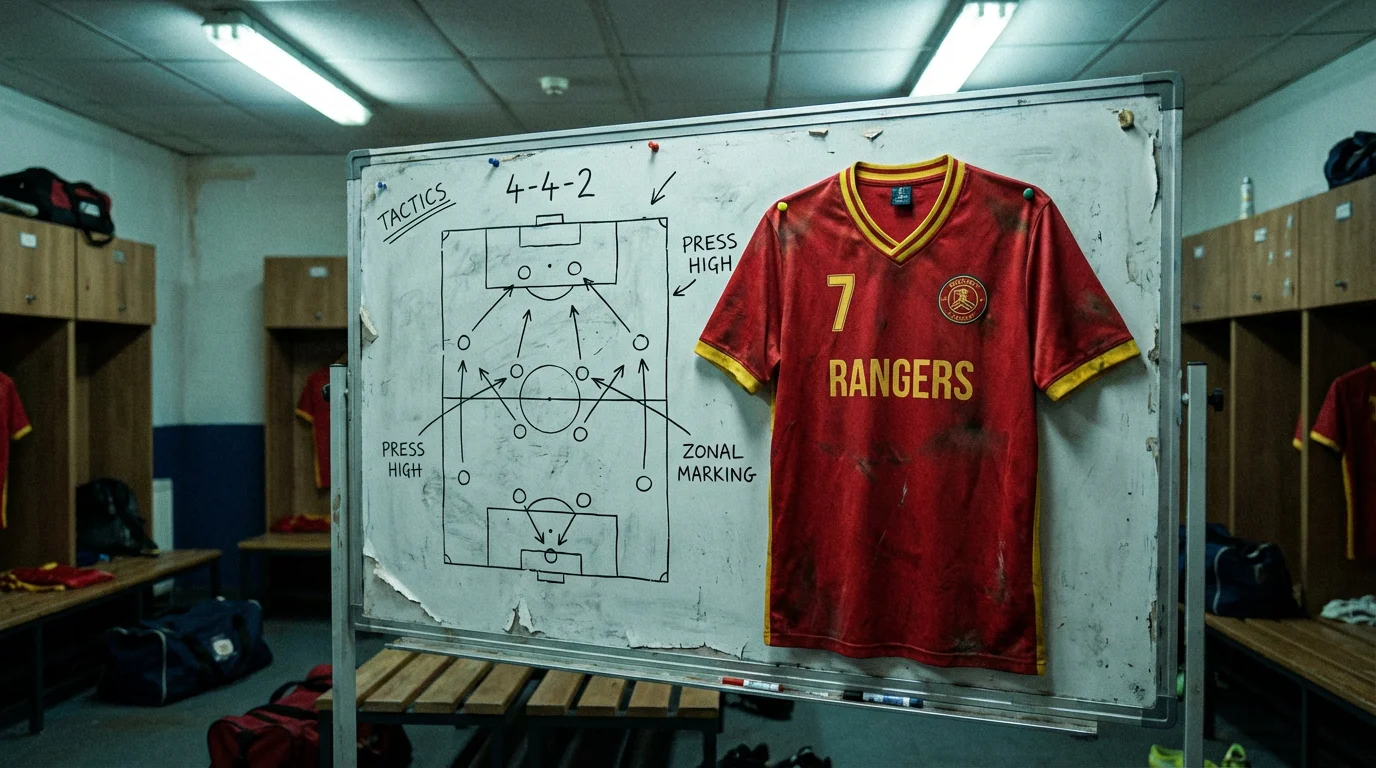
For eight years, Belgium were everyone’s “nearly team.” The golden generation – De Bruyne, Hazard, Lukaku, Courtois – peaked at number one in the FIFA rankings without ever winning a major trophy. Third at the 2018 World Cup. Knocked out by eventual champions at Euro 2020 and the 2022 World Cup. Now, in 2026, Belgium arrive in Group G as the All Whites’ most formidable opponent, carrying the fading aura of that golden generation and the question of whether their replacements can maintain Belgium’s status among the elite.
This matters to every Kiwi punter because Belgium are the team that shapes the entire Group G dynamic. If Belgium take maximum points, the race for second and third becomes a three-way scrap between Iran, New Zealand and Egypt. If Belgium drop points – and the data from the last two years suggests they’re more vulnerable than their reputation implies – the group opens up entirely. I’ve been watching Belgium’s transition closely, and what I’ve seen should encourage anyone backing the All Whites to take something from 27 June.
How Belgium Qualified
Belgium’s European qualifying campaign was efficient but unspectacular. They topped their group with eight wins and two draws, conceding just six goals across ten matches. The defensive record was impressive. The attacking output was not. Belgium scored twenty-two goals – a decent total, but heavily concentrated against the group’s weakest teams. Against the two strongest opponents in their qualifying pool, Belgium managed just five goals in four matches. That pattern of dominance against inferior sides and restraint against competent ones is the hallmark of a team in transition: good enough to qualify comfortably, not dynamic enough to blow anyone away.
The qualifying campaign also revealed a tactical shift that punters should note. Belgium under their current setup play a more conservative style than the golden-generation era. Where Roberto Martínez’s Belgium attacked with three at the back and wing-backs pushed to the halfway line, the current approach is a conventional 4-3-3 that prioritises midfield control over attacking width. It’s a system that produces fewer goals but concedes fewer too – and for the All Whites, a Belgium team that scores two goals per match is significantly less threatening than one that scores three or four.
The qualification process confirmed Belgium as Group G favourites, but the margin between Belgium and the rest of the group is narrower than it was four years ago. This is no longer a team that opponents fear on sight. It’s a team that opponents respect, which is a meaningful distinction when you’re pricing head-to-head odds. At the 2018 World Cup, Belgium’s group opponents looked beaten before kick-off. In 2026, the All Whites, Egypt and even a disrupted Iran side will believe they can compete – and belief, in tournament football, translates into tighter match odds than the ranking gap suggests.
One qualifying statistic stands out for Group G analysis: Belgium’s record in matches where they conceded first. In the three qualifiers where Belgium went behind, they won two and drew one – a solid recovery rate, but one that required late goals and momentum shifts that might not be available against an All Whites side specifically trained to protect leads. If New Zealand score first against Belgium on 27 June, the dynamic of the match changes entirely, and the in-play odds would reflect a scenario where Belgium’s composure under adversity faces its stiffest test of the tournament.
Key Players: De Bruyne’s Last Dance?
Kevin De Bruyne turns thirty-five during the tournament, and everything about his body language in the qualifying campaign suggested a man running on fumes and determination in equal measure. His passing range remains the best in world football – no other midfielder can switch play with the same accuracy over forty metres, or thread a through ball into channels that didn’t appear to exist until the ball was already travelling. But the frequency of those moments has declined. Where De Bruyne once produced three or four decisive passes per match, he now produces one or two, conserving energy for the moments that matter most.
For the All Whites, this is critical intelligence. De Bruyne at thirty-five is still the most creative player in Group G, but he’s no longer the relentless engine who can dominate a match for ninety minutes. If New Zealand can weather the first twenty minutes of the Belgium fixture – when De Bruyne’s freshness typically produces his sharpest work – the second half becomes a more level contest. Bazeley’s compact defensive shape is designed to absorb exactly this kind of early pressure, and the tactical matchup between De Bruyne’s creativity and New Zealand’s disciplined mid-block is the chess match that could decide both the game and the group.
Romelu Lukaku remains the nominal number nine, but his 2025-26 season has been interrupted by injuries and a loss of pace that has changed his game fundamentally. The Lukaku who terrorised defences with explosive runs in behind is gone. The current version holds the ball up effectively and finishes chances in the box, but he doesn’t create the space for others that his younger self did. Against a packed All Whites defence, Lukaku’s lack of movement could actually help New Zealand – if he’s static, New Zealand’s centre-backs can mark him without being pulled out of position.
The next generation of Belgian talent is genuine but unproven at tournament level. Jeremy Doku’s dribbling on the left wing can be devastating, and his ability to beat a full-back in a one-on-one situation gives Belgium a direct route to goal that doesn’t depend on De Bruyne’s passing. Amadou Onana in midfield provides the physical presence that Belgium’s middle third has lacked since Marouane Fellaini’s retirement. Lois Openda’s movement as a striker alternative to Lukaku offers pace and pressing intensity that the older forward can’t match. These players are talented, but talented players without tournament experience make mistakes under pressure – and those mistakes create opportunities for opponents who are ready to exploit them.
Thibaut Courtois in goal remains world-class. His shot-stopping ability and command of the penalty area are among the best at the tournament, and his experience in high-pressure matches for Real Madrid translates directly to the World Cup stage. For punters, Courtois’s presence means Belgium are unlikely to concede soft goals from open play – the chances the All Whites create will need to be clear-cut to beat him. Set pieces and penalties are the more likely route to scoring against this goalkeeper.
Belgium’s Role in Group G
Belgium are expected to top Group G, and the odds reflect that expectation. To win the group: around 1.55 to 1.70. To qualify: approximately 1.15. These are short prices that offer no standalone value, but they’re useful context for understanding how the rest of the group’s odds are derived. If Belgium are 1.60 to win the group, the implied probability of them doing so is roughly 60% – which means there’s a 40% chance they don’t, and that 40% is where the value sits for punters backing Iran, Egypt or the All Whites.
The scenario that most benefits New Zealand is Belgium winning the group with relative comfort – six or seven points from three matches. In that scenario, Belgium’s final group match against the All Whites on 27 June could see rotation. If De Bruyne, Lukaku and the senior players are rested ahead of the round of thirty-two, the Belgian side that faces New Zealand would be composed primarily of the younger, less experienced players mentioned above. A rotated Belgium is still a good team, but it’s a beatable one – and the match odds would likely sit around 5.00-6.00 for a New Zealand win rather than the 8.00-10.00 that a full-strength Belgium commands.
The less favourable scenario is Belgium entering the final match needing points. If Belgium draw with Egypt and struggle against Iran, they could arrive at 27 June with three or four points and qualification not yet secured. In that case, Belgium play at full intensity with full personnel, and the All Whites face the hardest possible version of their toughest opponent. Tracking Belgium’s results in their first two matches is essential for Kiwi punters planning to bet on the matchday-three fixture – the odds will move significantly based on Belgium’s position in the group.
Belgium vs New Zealand: Match Preview
27 June, 3pm NZT, BC Place, Vancouver. The All Whites’ final group match, and potentially the most-watched football fixture in New Zealand broadcasting history. The matchup is asymmetric in every dimension: Belgium will dominate possession, territory and individual duels. New Zealand will defend deep, frustrate, and look for moments.
I’ve modelled this fixture using Belgium’s recent form data and New Zealand’s OFC qualifying metrics, adjusted for the quality gap. The most likely scorelines are Belgium 1-0 and Belgium 2-0, with a draw at 0-0 or 1-1 being the third most probable outcome. The All Whites winning is the least likely result, but “least likely” at odds of 7.00-10.00 doesn’t mean impossible – it means the bookmaker gives it roughly a 10-14% chance, which is meaningful over a single match.
The tactical key for New Zealand is how they handle Belgium’s width. Doku on the left and whatever right winger Belgium deploy will look to get in behind New Zealand’s wing-backs and deliver crosses into the box for Lukaku. If the All Whites’ wing-backs stay disciplined and don’t get drawn out of position chasing the ball in Belgium’s half, the defensive shape holds. If they push too high in an attempt to create their own attacking opportunities, the space behind them becomes Belgium’s expressway to goal.
Chris Wood’s role changes in this match. Against Iran and Egypt, he’s the primary goal threat. Against Belgium, he’s a defensive asset – his hold-up play allows the All Whites to relieve pressure by playing long balls to his chest and winning free kicks in the opposition half. Every thirty seconds that New Zealand spend in Belgium’s half is thirty seconds where Belgium aren’t creating chances. Wood’s ability to turn defence into temporary attack through sheer physical presence could be the All Whites’ most important tactical tool in this fixture.
The time of the match matters for Kiwi punters. At 3pm NZT on a Saturday, the entire country will be watching. Live-betting opportunities will emerge if the match stays goalless past the half-hour mark, because Belgium’s odds will lengthen as the clock ticks and their frustration grows. If you believe New Zealand can survive the first thirty minutes – which Bazeley’s system is designed to achieve – placing a live bet on the draw at enhanced in-play odds could be the smartest punt of the entire tournament.
Belgium Outright and Group G Odds
Belgium’s outright World Cup odds sit around 15.00 to 20.00 on TAB NZ – outside the top tier of favourites but still respected as a potential dark horse. The price reflects the transition from golden generation to new era: the squad has quality, but the proven tournament pedigree that propelled Belgium to FIFA’s number one ranking has faded. Third in 2018 remains their best result, and nothing in the qualifying campaign or the recent form cycle suggests a dramatic improvement.
For Kiwi punters, Belgium’s outright odds are not the play. The value is entirely in Group G markets. Belgium to win the group at 1.60 is a reliable multi leg. Belgium-New Zealand match odds will fluctuate based on Belgium’s first two results. And the total goals markets across Belgium’s three matches – likely set at 2.0 or 2.5 – offer angles based on Belgium’s conservative tactical approach and the quality of opposition they face.
The market I’d watch most closely is Belgium’s exact group-stage points total. If TAB NZ offers a line at 7.5 points, the under could be interesting – Belgium drawing one of their three matches isn’t improbable given the uncertainty around Iran and the competitive challenge Egypt present. Seven points from the group stage would still comfortably secure first place, but it would also signal that Belgium are beatable, which has cascading implications for knockout-round pricing.
The Kiwi Verdict: How to Bet Against Belgium
Belgium are not the team they were. The golden generation is fading, the system is in transition, and the aura of invincibility that once surrounded this squad has dissipated. They’re still the best team in Group G – probably by a significant margin – but the gap between “best in the group” and “unbeatable” is where Kiwi punters find their edge.
Bet against Belgium by backing the draw in the All Whites’ third group match. Bet against Belgium’s dominance by taking the under in goals markets across their group fixtures. Bet on Belgium to win the group as a multi anchor, then combine it with the All Whites to qualify from the same group at longer odds. Belgium’s presence in Group G is a challenge, not a death sentence – and the odds are priced as though it’s the latter. That mismatch is where the value lives.
