
FIFA World Cup 2026 Betting
Live Betting World Cup 2026 - In-Play Tips for NZ Punters
 Available in US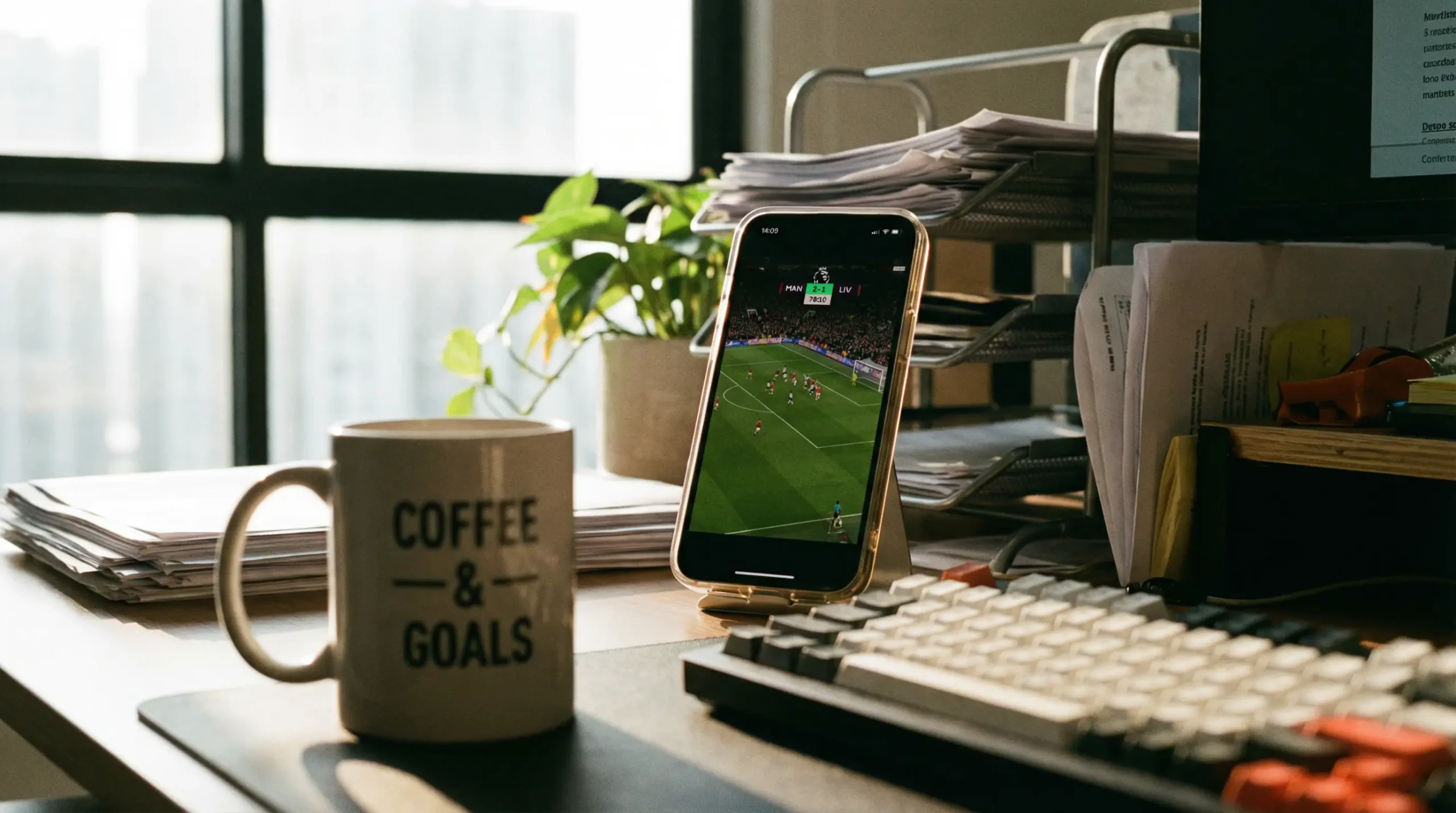
It is 1:15 pm on a Tuesday in June, you are at your desk in Christchurch with a second coffee going cold beside your keyboard, and the All Whites are 20 minutes into their opening World Cup match against Iran on your phone screen. The head-to-head odds you looked at this morning have already shifted – New Zealand have had two early chances and Iran look shaky in possession. The live market on TAB NZ now prices the All Whites shorter than the pre-match line. Do you bet now, or do you wait?
That is the essence of World Cup 2026 live betting: real-time decisions based on real-time information, placed while the match is in progress. In-play markets move continuously, reacting to goals, red cards, substitutions, injuries, and momentum shifts. The prices you see at kick-off will not be the prices you see at half-time, and both will differ from the prices at the 70th minute. Live betting adds a layer of decision-making that pre-match betting does not require – and for punters who can process information calmly under time pressure, it offers edges that the pre-match market cannot.
What Is Live Betting?
I remember the first time I placed an in-play bet at a World Cup – Germany vs Algeria, 2014, round of 16 in Porto Alegre. Germany were 0-0 at half-time against an Algerian side that had no business holding them level, and the live odds on Germany to win had drifted from 1.18 pre-match to 1.45. I backed Germany at the inflated price. They won 2-1 after extra time. The $30 profit was modest, but the lesson was permanent: live markets overreact to short-term game states, and that overreaction is where value lives.
Live betting (also called in-play or in-running) is any wager placed after kick-off while the match is still being played. TAB NZ opens in-play markets on selected World Cup fixtures, covering the same market types available pre-match: head to head, over/under goals, next goalscorer, and match handicaps. The odds update dynamically – sometimes every few seconds during active passages of play – and there are brief suspension windows around goals, red cards, and penalties when no bets can be placed.
The critical difference between pre-match and live betting is information asymmetry. Before kick-off, everyone works from the same data: team sheets, form, historical matchups, conditions. Once the match starts, the punter watching the game has real-time information that the algorithm pricing the live market can partially capture (through data feeds) but cannot fully interpret. A shift in formation, a striker visibly favouring one leg after a knock, a defensive midfielder receiving a verbal warning from the referee – these are signals that a human viewer can assess and the live-odds algorithm cannot, at least not instantly. That gap is your edge, and it exists for precisely as long as you are paying attention.
The NZT Afternoon Advantage for In-Play Punts
Most World Cups punish Kiwi punters with 3 a.m. and 5 a.m. kick-offs. Not this one. The 2026 tournament is hosted in North America, where Eastern Time (ET) governs most scheduling. A 9 p.m. ET kick-off translates to 1 p.m. NZT the following day. An 11 p.m. ET kick-off is 3 p.m. NZT. The earliest group-stage matches – noon ET – hit NZT at 4 a.m., but those are the minority. The bulk of the World Cup, including all All Whites fixtures, falls squarely in the New Zealand afternoon.
What does this mean for live betting? Everything. In-play betting requires active engagement – watching the match, reading the flow, making decisions under time pressure. You cannot do that at 4 a.m. when you are half-asleep on the couch. But at 1 p.m. on a Wednesday? You are alert, you are focused, and you have TVNZ or TVNZ+ streaming the match on a second screen while you work. The NZT afternoon window is the single biggest structural advantage Kiwi punters have ever had at a World Cup, and it is tailor-made for in-play betting.
This advantage extends to multi-match live betting. On days with simultaneous group-stage kick-offs – three matches starting at the same time, for instance – you can monitor two or three streams and place live bets across multiple fixtures in real time. The information density is high, but the cognitive load is manageable during waking hours. At past World Cups, Kiwi punters had to choose between sleep and live betting. In 2026, you get both.
Key Moments to Look for In-Play
Not every minute of a football match carries the same live-betting value. Certain match events create price dislocations – moments where the live odds shift sharply and often excessively – and recognising these patterns is the core skill of in-play punting.
The first goal changes everything. When the first goal goes in, the live head-to-head market reprices instantly: the scoring team’s odds shorten, the conceding team’s odds lengthen, and the draw price shifts based on the time elapsed. The overreaction window is typically 60-90 seconds after the goal, during which the live odds settle into a new equilibrium. If the first goal comes early (before the 20th minute) and is scored by the underdog, the live market often overcorrects – pricing the favourite’s comeback at odds that exceed the true probability, because the algorithm weighs the current scoreline more heavily than the remaining match time. Backing the favourite in these situations, particularly if they have a strong historical record of overturning early deficits, is one of the most reliable in-play strategies I use.
Red cards create the second major dislocation. A team reduced to 10 men sees their odds lengthen dramatically – often by 40-60% on the head-to-head market. But the actual impact of a red card depends on timing, the player sent off, and the score at the time. A defensive midfielder sent off in the 30th minute of a 0-0 match is more damaging than a forward sent off in the 75th minute when the team is already winning 2-0. The live market treats all red cards with roughly the same severity, and the gap between the market’s blanket adjustment and the context-specific reality is exploitable.
Half-time is the natural reset point. The live market pauses during the interval, and when it reopens for the second half, odds often reflect a recency bias toward the first-half performance. A team that dominated possession and created chances but failed to score will see their odds shorten at half-time – sometimes to prices shorter than the pre-match line – because the market assumes the dominance will continue. But World Cup matches frequently flip in the second half: managers make tactical adjustments, substitutions shift the balance, and fatigue changes the game’s shape. If the first-half dominant team is now priced at 1.60 when they were 2.10 pre-match, ask yourself: has the match genuinely told me that this team is 25% more likely to win than I thought before kick-off? If the answer is no, the pre-match price was closer to fair value, and the halftime price represents a false confidence spike.
Substitution patterns after the 60th minute signal intent. A manager replacing an attacker with a defender is protecting a lead – the team’s live odds to win should shorten slightly, but the under goals line becomes more attractive. A manager throwing on a second striker when trailing signals desperation and open play, which pushes the over goals line toward value. These tactical reads are invisible to the live-odds algorithm until they manifest as on-pitch events (shots, possession changes), giving the attentive viewer a 5-10 minute window to act on information the market has not yet priced in.
How Live Betting Works on TAB NZ
TAB NZ’s live betting platform for football operates through the fixed-odds interface. Markets open at kick-off (or shortly before) and remain active throughout the match with intermittent suspensions around key events. The available in-play markets for World Cup fixtures typically include head to head (90-minute result), next goal, total goals (over/under a rolling line), and selected player markets.
Bet placement is immediate: tap the odds, enter your stake, confirm. There is no delay window on TAB NZ’s live bets for standard markets, though the odds displayed at the moment of confirmation are the odds you receive – if the market moves between tapping and confirming, the updated odds apply. This “price at confirmation” model means fast-moving situations (a corner being taken, a counter-attack in progress) can produce slightly different odds than what you initially saw. Check the confirmed odds on your bet slip after every live bet.
One TAB NZ feature particularly useful for live World Cup betting is the cash-out option. If you placed a pre-match bet that is winning at half-time, you can lock in profit through cash out without waiting for the final whistle. Conversely, if your pre-match bet is losing but the match situation suggests a comeback, you can let it ride and avoid the urge to cash out at a loss. The cash-out offer updates in real time alongside the live odds, and declining a cash-out offer costs nothing – it simply leaves your original bet in play.
Staying Disciplined When the Action Is Live
Live betting’s biggest risk is not bad analysis – it is emotional overcommitment. The match is on, the odds are moving, the adrenaline is flowing, and the gap between “I see an opportunity” and “I am chasing losses” narrows to nothing. I have nine years of professional tournament betting experience and I still catch myself reaching for the bet slip after a bad result, trying to make it back in the next passage of play. If it happens to me, it will happen to you.
Three rules keep me honest during live World Cup betting. First, set a per-match live betting budget before kick-off and do not exceed it under any circumstances. If your limit is $30 per match, that is $30 – not $30 plus the $20 you were going to put on the next match. Second, do not place a live bet in the 60 seconds after a goal. The emotional spike is highest immediately after the net ripples, and the market has not yet settled. Wait for the restart, assess the new game state calmly, and then decide whether the updated odds represent value. Third, review every live bet at the end of the matchday. Write down why you placed it, what the score was, what information you were acting on. If the reason was “it felt right” rather than a specific analytical trigger, that bet was emotional, and awareness of the pattern is the first step toward breaking it.
The 2026 World Cup’s NZT afternoon schedule gives Kiwi punters the unprecedented luxury of live betting across multiple World Cup markets during peak cognitive hours. That is an advantage – but only if you treat it as one. Discipline separates the punter who uses the NZT window to find in-play value from the punter who uses it to place 15 bets before 3 p.m. and wonders where the bankroll went. Be the first punter.
