
FIFA World Cup 2026 Betting
Where to Watch World Cup 2026 in NZ — TV, Stream & Pubs
 Available in US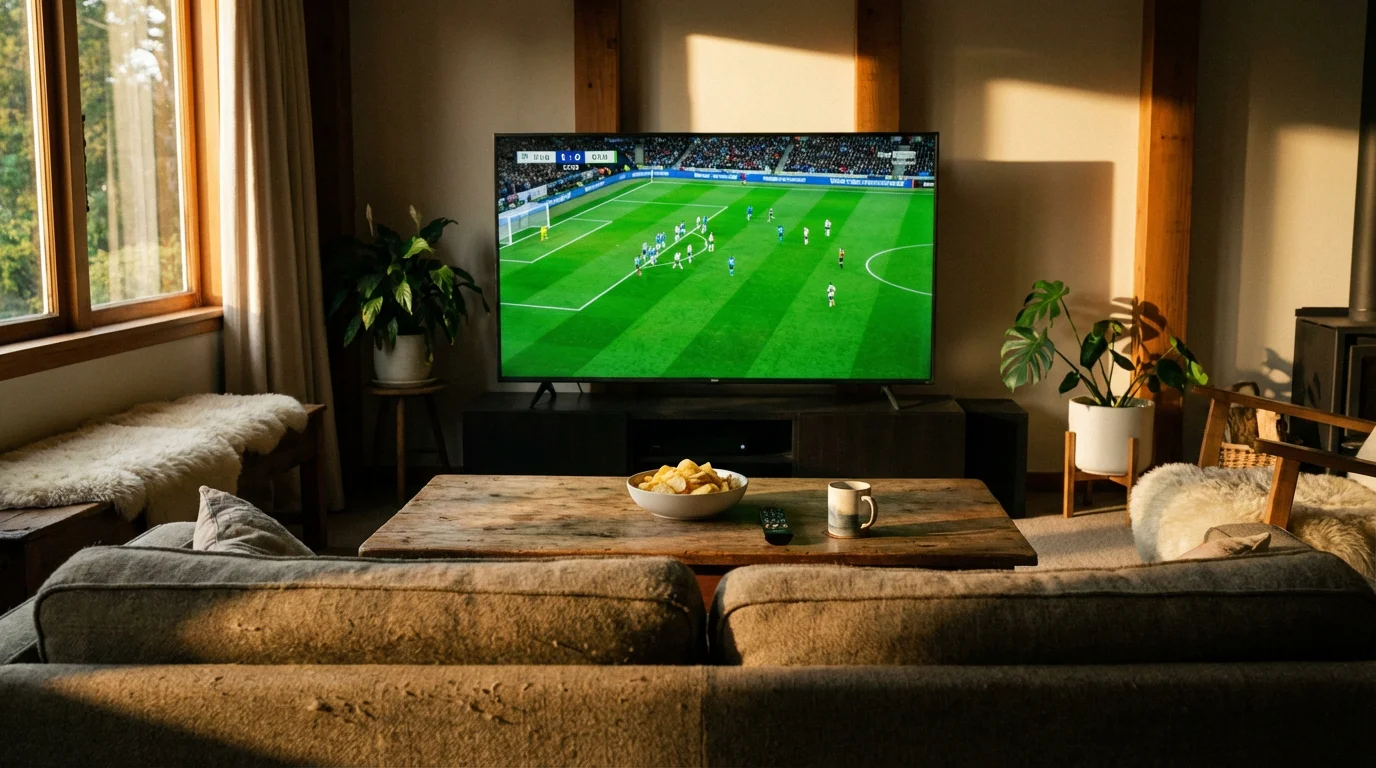
For once, the time zones are on our side. Unlike the 3am alarm clocks of European World Cups or the pre-dawn starts when the tournament was in Russia, the 2026 FIFA World Cup kicks off during New Zealand afternoons and mornings. The All Whites play at 2pm and 4pm NZT — the kind of hours where you can watch the match over lunch, stream it at your desk, or gather at the pub without ruining your sleep schedule or your Monday. This is the most watchable World Cup in Kiwi history from a pure scheduling standpoint, and knowing exactly where and how to tune in is the first step to making the most of it.
TVNZ and TVNZ+: What Is Free, What Is Paid
TVNZ holds the exclusive broadcast rights for the 2026 FIFA World Cup in New Zealand. The arrangement breaks down into two tiers, and understanding the split is essential before the tournament starts so you are not scrambling for access when the All Whites are about to kick off.
All three All Whites group-stage matches will be broadcast free-to-air on TVNZ 1. No subscription, no paywall, no login required. If you have a television with a Freeview connection — which covers the vast majority of NZ households — you can watch Iran vs New Zealand, New Zealand vs Egypt, and New Zealand vs Belgium at no cost. TVNZ’s free streaming service also carries these matches live, meaning you can watch on a laptop, tablet, or phone through the TVNZ app without paying anything. This is the baseline: every Kiwi can watch the All Whites without spending a cent.
The broader tournament — the other 101 matches — is available through TVNZ+, the paid streaming subscription. TVNZ+ pricing has not been finalised for the World Cup period at the time of writing, but the service currently costs approximately $16.99 per month. Expect a World Cup-specific package or a short-term subscription option designed to capture the 39-day tournament window. For punters who want to watch matches across all 12 groups — which you should, if you are building multis or tracking market movements — the TVNZ+ subscription is a cost of doing business. Consider it part of your World Cup bankroll: the information you gain from watching matches live is worth more than the subscription price in better-informed betting decisions.
TVNZ’s coverage will include pre-match analysis, post-match discussion, and studio programming throughout the tournament. The quality of punditry varies — TVNZ is not the BBC — but having local-angle commentary on All Whites matches adds context that international broadcasts miss entirely. Listen for discussion of Darren Bazeley’s tactical setup, Chris Wood’s physical condition, and the crowd atmosphere at BC Place. These details inform your in-play betting positions far more than generic global commentary.
Streaming Options in NZ
Beyond TVNZ+, streaming options for the 2026 World Cup in New Zealand are limited by rights exclusivity. TVNZ’s deal covers all 104 matches in the New Zealand territory, which means no other legitimate streaming platform — not Sky Sport, not Spark Sport, not any international service — can legally broadcast World Cup football to NZ viewers. If you see a non-TVNZ platform advertising World Cup streams available in New Zealand, it is either operating outside its licence or using geolocation workarounds that may violate terms of service.
The TVNZ app is available on iOS, Android, Apple TV, Samsung Smart TVs, and most major streaming devices including Chromecast and Fire TV. For the best experience, ensure your internet connection can handle HD streaming — TVNZ recommends a minimum of 5 Mbps for reliable HD quality, though 10 Mbps or higher is preferable for live sport where buffering during a goal-mouth scramble is unacceptable. If you are planning to watch on mobile data during a lunch break, check your data allowance: a 90-minute football match at HD quality uses approximately 3-4 GB.
For households with multiple viewers wanting to watch different matches simultaneously — a real possibility when there are four group matches on the same day — TVNZ+ allows streaming on multiple devices under a single subscription. Confirm the concurrent stream limit before the tournament, as it may differ from TVNZ’s standard offering.
Watching at the Pub: Best Match-Day Experience
There is something about watching football in a pub that no home setup can replicate. The collective groan when a shot hits the post, the eruption when the All Whites score, the stranger next to you who suddenly becomes your best mate for 90 minutes — pub viewing is the social heart of World Cup culture, and NZ afternoon kick-offs make it logistically simple for the first time in a generation.
Most sports bars and pubs with TVNZ or Sky Sport subscriptions will screen World Cup matches, but coverage varies by venue. All Whites matches are guaranteed to draw pub attention — these are national events, and any bar that does not screen them is leaving money on the table. For neutral matches — Brazil vs Morocco at 9am, Spain vs Uruguay at 9am — the audience is smaller, and not every venue will open early or dedicate screen space. Call ahead if you want to watch a specific non-All Whites match to confirm the pub will have it on.
The pub viewing dynamic is different for punters. You are not just watching for entertainment — you are watching for information. Body language during warm-ups, the intensity of the crowd, the tempo of the first ten minutes — these are inputs that shape your live betting decisions. A pub environment adds noise and distraction, which can impair the focused observation that good in-play betting requires. My approach is to watch the All Whites matches at the pub for the atmosphere and to watch neutral matches at home where I can focus on the analytical aspects that inform my bets. Split your viewing based on what you need from each match: emotion or information.
Key NZT Kick-Off Times to Block in Your Calendar
The World Cup schedule spans five different time zones across the United States, Mexico, and Canada, but the NZT conversion simplifies things. The vast majority of matches kick off between 7am and 4pm NZT. Here is how the typical matchday structure translates to New Zealand time.
Early matches — those scheduled for early afternoon in the Eastern Time zone — kick off around 5am to 7am NZT. These are the matches you will miss unless you are an early riser or particularly motivated. Group matches involving smaller nations often fill these slots, and while they can offer betting value, the viewing experience at 5am is limited to the dedicated.
Mid-morning matches land between 8am and 11am NZT. This is the breakfast and mid-morning window — watchable if you work from home or have a flexible schedule. Several high-profile group matches are scheduled in this band, including Spain vs Saudi Arabia and England vs Ghana.
Afternoon matches — the prime Kiwi viewing slots — kick off between 12pm and 4pm NZT. All three All Whites fixtures fall in this window: 2pm and 4pm starts. These are the matches where NZ viewership will peak, pub attendance will be highest, and TAB NZ’s live-betting volumes will be strongest. The afternoon window also captures the simultaneous final-matchday fixtures, where multiple groups conclude at the same time and the permutations create the most dynamic betting environment of the tournament.
The knockout stages shift toward later NZT starts as matches move to prime-time US scheduling. Semi-finals and the final are expected to kick off between 9am and 1pm NZT — Sunday morning appointments for the biggest matches of the tournament.
Second-Screen Betting: Watching and Punting Together
The 2026 World Cup is built for the second-screen experience. You watch the match on the TV or a stream; you track odds and place bets on your phone through the TAB NZ app. NZ afternoon kick-offs make this seamless — you are alert, you are engaged, and the natural rhythm of a football match creates windows for betting decisions.
The key to effective second-screen betting is knowing when to look at the screen and when to look at the odds. During the first 15 minutes of a match, watch the game — assess the tempo, the tactical setup, which team is dominating territory. Use that information to refine your in-play position. At natural breaks — drinks breaks, substitutions, the period after a goal when play restarts slowly — check TAB NZ for market movements. In-play odds react to goals and red cards immediately, but they are slower to adjust to momentum shifts that only visual observation captures. That lag is your edge.
A practical setup: television or laptop for the match stream, phone for TAB NZ, and a notepad (physical or digital) where you record your pre-match positions and the conditions under which you would adjust them. “Back the draw if still 0-0 at half-time.” “Take the over 1.5 goals if either team scores before the 30th minute.” Writing these triggers in advance prevents emotional in-play decisions and keeps your second-screen activity structured rather than reactive.
The full World Cup schedule in NZ time gives you every kick-off so you can plan your viewing and your betting calendar for all 39 days. Block the dates, set up your streaming, and make sure TAB NZ is loaded and funded before 12 June NZT. The All Whites are back at the World Cup, the time zones finally favour Kiwi fans, and the only remaining question is where you will be watching when the whistle blows.
