
FIFA World Cup 2026 Betting
World Cup 2026 Betting NZ — Odds, Tips & All Whites Guide
 Available in US
Your Kiwi punter's command centre for the FIFA World Cup 2026. All Whites odds, group-stage value bets, TAB NZ tips and full match schedule in NZT.

Five Things Every Kiwi Punter Should Know Before Kick-Off
- The All Whites face Belgium, Iran and Egypt in Group G — their first World Cup appearance since 2010 and a realistic shot at the Round of 32 under the new format that advances 32 of 48 teams.
- TAB NZ is the only legal option for placing bets in New Zealand, and all winnings from sports wagering are tax-free under current law.
- Every World Cup match kicks off during NZ afternoon or early evening hours — no overnight viewing sessions required this time around.
- The expanded 48-team format inflates group-stage odds across the board, creating value pockets that rarely exist in a 32-team tournament.
- TVNZ holds broadcast rights — All Whites matches are free-to-air, while the wider fixture list sits behind TVNZ+.
The last time New Zealand played at a FIFA World Cup, I was three years into this job and still learning how to price a group-stage draw properly. That was South Africa 2010 - the All Whites held Italy, finished unbeaten, and went home anyway. Sixteen years later, Chris Wood and a new generation of Kiwi footballers are back on the world stage, and this time the format gives them a genuine route out of the group.
The 2026 World Cup is the largest in history - 48 teams, 104 matches across the United States, México and Canada, spread over 39 days from 11 June to 19 July. For punters in New Zealand, the timing could not be better: every single match falls during NZ afternoon and early evening hours, meaning you can watch, analyse and punt without setting a 3 a.m. alarm. TAB NZ is the sole legal operator for sports betting in this country, and the markets they will open for this tournament - from outright winner to Asian handicaps on individual group fixtures - represent the widest range of World Cup wagering options Kiwi punters have ever had access to.
I have covered nine years of major tournament betting markets, and I built this guide as the resource I wish had existed before the last expanded tournament. What follows is a hub for every angle a New Zealand punter needs: the All Whites' Group G campaign, the legal framework around your bets, the outright favourites, the value hiding in group-stage markets, and a practical walkthrough of placing your first World Cup punt. All odds are in decimal format, all match times in NZT, all stakes in NZD. Welcome to the command centre.
What Kiwi Punters Need to Know About the 2026 World Cup
Picture 48 nations, 16 stadiums and three host countries stretched across a continent — that is the 2026 FIFA World Cup, and nothing about it looks like the tournaments you grew up watching. The old format had 32 teams in eight groups of four. This one puts 48 teams into 12 groups of four, with the top two in each group plus the eight best third-placed sides advancing to a Round of 32. If you have been punting World Cups since 2006 or earlier, the maths you relied on for group qualification scenarios needs a complete reset.
The tournament opens on 11 June at Estadio Azteca in Mexico City — México against South Africa — and runs for 39 days until the final at MetLife Stadium in New Jersey on 19 July. In between, 104 matches will be played across 11 venues in the United States, three in México and two in Canada. For the All Whites, two of their three group matches take place at BC Place in Vancouver, which is the closest World Cup venue to New Zealand by flight distance. The third is at SoFi Stadium in Los Angeles. Both are West Coast cities, and both sit in a time zone that translates to early-to-mid afternoon in NZT — a detail that matters more than most people realise when you are trying to watch a match, track live odds and decide whether to cash out before halftime.
From a betting standpoint, the 48-team expansion changes everything. More teams means more mismatches in group stages, more goals in lopsided fixtures and more uncertainty in groups where three sides are competing for what is effectively a two-and-a-half qualification spot. Traditional pricing models that worked for 32-team tournaments struggle with the larger pools: bookmakers have less historical data on how third-place teams behave when they know a single point might be enough to advance. That uncertainty is where value lives. I have already seen early outright markets where the gap between the top five favourites and the rest of the field is narrower than it was at the same stage before Qatar 2022, and that compression creates opportunities across the board.

The 48-team format is not just bigger — it is structurally different. Thirty-two of 48 teams advance past the group stage, which means two-thirds of all participants survive to the knockouts. That ratio transforms group-stage betting: draws become more valuable, dead rubbers become rarer, and long-shot qualification bets carry better expected value than they did under the old system.
⚽ World Cup 2026 · Qualification & Value Finder
All Whites · NZ Punter's Edge
16 years since the All Whites last played at a World Cup. The new 48-team format gives New Zealand a genuine route out of the group. Every match kicks off in NZ afternoon/evening – no 3am alarms. Analyse the qualification probability and find value in the markets.
For a complete breakdown of how the format affects your betting strategy, I have put together a separate guide covering everything from bankroll management over 39 days to the specific market types that benefit most from the expanded draw. Here, I want to focus on the overview: 48 teams, 12 groups, 104 matches, and more betting markets than any previous World Cup. The group stage runs from 11 June to 27 June, the Round of 32 begins on 28 June, and the knockout rounds compress into three intense weeks. If you are planning to punt this tournament seriously, block out the entire window — the density of fixtures means there is meaningful action every single day.
The 2026 World Cup will be the first in history to feature matches in three different countries. The last multi-host tournament — Japan and South Korea in 2002 — was spread across just two nations and had 32 teams. This one has 50% more teams and a third host nation.
One more practical point for Kiwi viewers: the time difference between New Zealand Standard Time and Eastern Time during June and July is plus 17 hours. A 9 p.m. ET kick-off translates to 2 p.m. the following day NZT. An 11 p.m. ET kick-off hits 4 p.m. NZT. The earliest NZ start times for group matches land around 7 a.m., which covers the occasional early-morning fixture from a Mexican venue. The bulk of the action, though, sits squarely in your lunch break and afternoon — a luxury that Kiwi fans almost never get at a major football tournament. If you are used to setting alarms for Champions League finals and World Cup knockouts, this one practically schedules itself into your workday.
All Whites in Group G — Our Biggest Punt in 16 Years
I still remember the collective shock across New Zealand when Winston Reid headed in that equaliser against Slovakia in 2010. The country had waited 28 years to see the All Whites at a World Cup, and the team responded with three draws — including that famous 1-1 against reigning champions Italy — to finish as the only unbeaten side in the tournament. They still went home in the group stage, because under the old format, three points from three draws was not enough. In 2026, under the new qualification rules, those same three points would very likely have sent them through.
That is the context for Group G: Belgium, Iran, Egypt and New Zealand. The All Whites qualified as OFC champions with a dominant campaign — five wins from five, a goal difference of plus 28, and just one goal conceded across the entire qualification cycle. Coach Darren Bazeley has built a side around Chris Wood's Premier League experience at Nottingham Forest, and the squad blends that top-level firepower with a young core that has nothing to lose on the world stage. For full squad analysis and match-by-match betting previews, I have dedicated an entire page to the All Whites campaign.
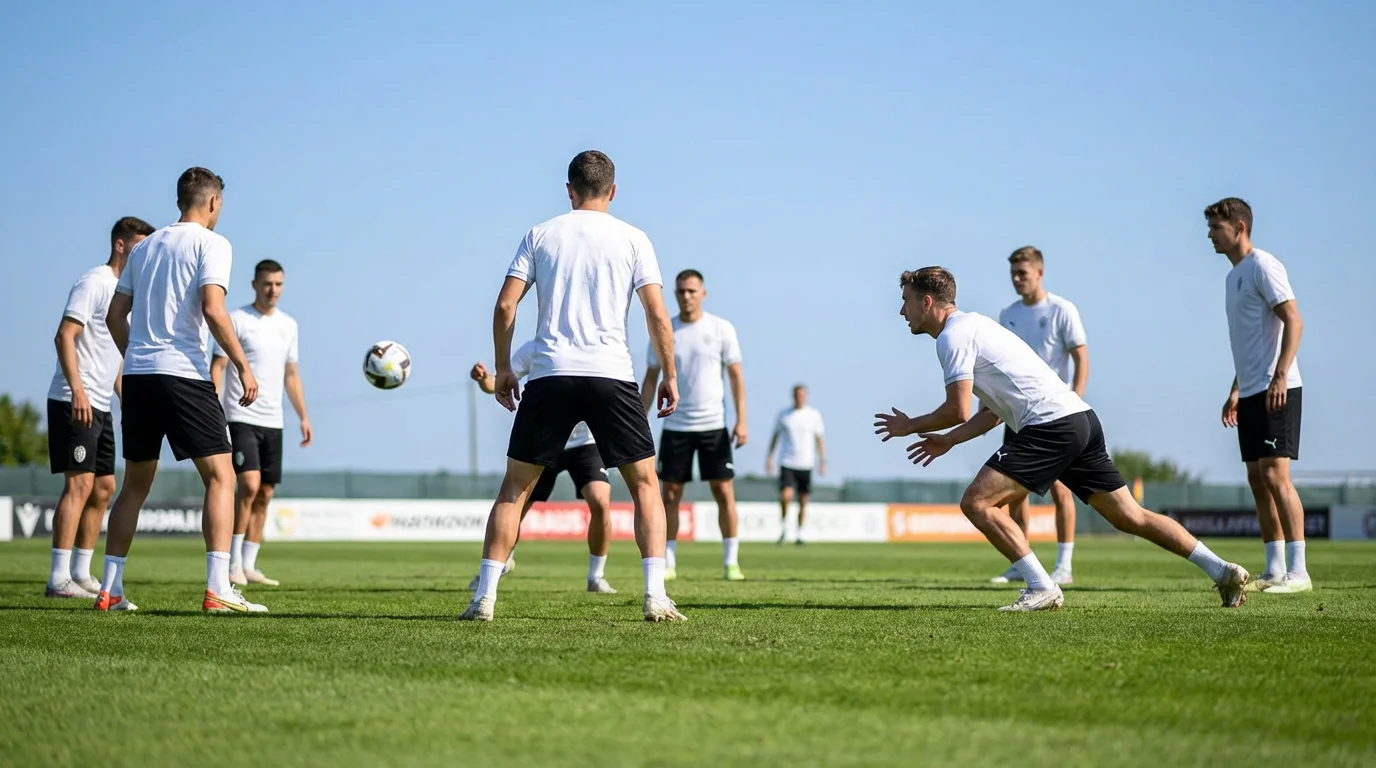
Belgium are the group favourites, ranked around eighth in the world and carrying the remains of a golden generation that peaked at the 2018 World Cup. Egypt bring Mohamed Salah and a battle-hardened squad from African qualifying. Iran's participation remains uncertain — the geopolitical situation in early 2026 has cast doubt on their involvement, though no official withdrawal has been filed and FIFA has not announced a replacement. That uncertainty is itself a factor in the betting markets, and I will address it separately below.
The realistic target for the All Whites is second or third in the group. Belgium should take the top spot. That leaves New Zealand fighting Egypt — and potentially a weakened Iran — for the remaining qualification places. Under the expanded format, a third-place finish with a reasonable points haul and goal difference could be enough to reach the Round of 32. In 2010, the All Whites earned three points and missed out. In 2026, that same total might be the golden ticket.
16
Years since New Zealand last played at a World Cup
Match Schedule in NZT
All three kick-off times land during the NZ afternoon. The opener against Iran is a Monday, the Egypt fixture falls on a Sunday, and the Belgium match is a Saturday — two of three on weekends, which makes planning around work straightforward. Two matches at BC Place in Vancouver also simplifies logistics for any Kiwis travelling to support the team in person.
The other Group G fixtures matter too. Belgium face Egypt on 16 June at Lumen Field in Seattle, then meet Iran on 22 June at SoFi Stadium, and the group wraps with Egypt versus Iran on 27 June in Seattle. The sequence means that by the time the All Whites play Belgium in the final round, they will already know whether Egypt or Iran picked up points in their head-to-head — a crucial piece of information for in-play betting on that last match.
Group G Odds Snapshot
| Market | Belgium | Egypt | Iran | New Zealand |
|---|---|---|---|---|
| To Win Group G | 1.55 | 4.50 | 6.00 | 9.00 |
| To Qualify from Group | 1.12 | 2.10 | 2.80 | 3.50 |
| To Finish Bottom | 21.00 | 4.00 | 3.00 | 2.20 |
The odds above are indicative early-market prices in decimal format. Belgium are short at 1.55 to win the group outright, which implies roughly a 65% probability. More interesting from a Kiwi punter's perspective is the qualification market: New Zealand at 3.50 to finish in a qualifying position means the market gives them about a 29% chance of advancing. I think that price is generous. The third-place route is wider than most people realise — eight of twelve third-placed teams advance — and the All Whites only need to avoid finishing last to stay in contention. At 3.50, you are getting nearly three-and-a-half times your stake on a scenario that is more plausible than the number suggests.
The Egypt match on 22 June is the fixture that will define the All Whites' tournament. Belgium are likely out of reach. Iran's status is uncertain. Egypt is the opponent where the All Whites are closest in quality, and a result in that match — even a draw — could be enough to secure a third-place qualification spot with the right goal difference. For deeper analysis, see the full Group G betting preview.
Betting in New Zealand: TAB NZ and the Legal Picture
Every few months, someone asks me whether they can use an offshore bookmaker from New Zealand to get better World Cup odds. The answer, as of June 2025, is no — and the penalties for operators who try to serve Kiwi customers are now substantial. The Racing Industry Act 2020 amendments, which came into force on 28 June 2025, formally extended TAB NZ's monopoly to the online space, making offshore sports betting operators explicitly illegal for New Zealand residents. TAB NZ, managed operationally by Entain under a 25-year contract, is the sole lawful platform for placing a sports bet in this country.
That is the practical reality. Whether you are backing the All Whites to beat Egypt or putting together a multi on four group winners, every legal bet runs through TAB NZ. The platform offers fixed odds and tote betting across football, rugby, cricket, racing and a growing list of international sports. For the World Cup, expect head-to-head markets, draw no bet, over/under goals, Asian handicaps, outright winner, top scorer and group-stage specials. TAB NZ has steadily expanded its football market range over the past two years, and this tournament will be the deepest offering they have ever provided for a single event.

Tax-free winnings: Under current New Zealand law, winnings from sports betting are not subject to income tax. A $100 bet at 3.50 returns $350, and every dollar of that $250 profit is yours to keep. This applies regardless of the size of the win or the number of bets placed.
Advertising rules are also tightening. From 1 May 2026 — just weeks before the World Cup kicks off — new restrictions impose fines of up to $5 million for companies that breach gambling advertising standards. Ads are banned between 6:00 a.m. and 9:30 p.m., celebrity and influencer endorsements are prohibited, and outdoor advertising within 300 metres of places where minors gather is not permitted. The minimum age for placing a bet remains 18. None of this changes how you place a bet on TAB NZ, but it does mean the advertising landscape around the World Cup will look very different from previous tournaments. I have put together a dedicated legal overview covering the Gambling Act 2003, the offshore ban and the new advertising rules elsewhere on this site.
TAB NZ — New Zealand's sole legal sports betting operator, established in 1951 as the world's first government-owned totalisator. Operationally managed by Entain since 2023.
World Cup Betting Markets Worth Watching
A punter I know once told me he only ever bets on outright winners at World Cups — picks a team before the tournament, puts his money down, and waits six weeks. He has been wrong at every tournament since 2006. The reason is not bad team selection; it is that outright markets are the hardest to beat. The margins are wide, the liquidity is deep, and the bookmaker has priced in every relevant variable months before kick-off. The real edges at a World Cup sit in the group-stage and match-level markets where pricing is thinner and information advantages are easier to find.
TAB NZ offers several market categories for the World Cup, and understanding which ones reward analysis versus which ones reward luck is the first step to a profitable tournament. Head to head is the simplest: pick the winner or the draw in a single match. Draw no bet removes the draw outcome, refunding your stake if the match finishes level — useful in group fixtures where draws are more common than people expect. Asian handicaps let you bet on a team to win by a specific margin, and this is where I spend most of my time during group stages. When Belgium play New Zealand, the handicap market is far more interesting than the head-to-head result, because the question is not whether Belgium will win but by how many.
Over/under goals markets price the total number of goals in a match. The standard line is 2.5 — over means three or more goals, under means two or fewer. At the 2022 World Cup, the average group-stage match produced 2.72 goals, which meant the over hit slightly more often than the under. With 48 teams and more mismatches in 2026, I expect that average to creep higher in certain groups, particularly those featuring a clear quality gap between the top seed and the bottom seed. Groups like E (Germany, Côte d'Ivoire, Ecuador, Curaçao) are prime candidates for over bets in specific fixtures.
Multis — or accumulators, as they are known outside New Zealand — combine multiple selections into a single bet with compounding odds. A three-leg multi at 1.80, 2.00 and 1.90 pays 6.84. They are popular because the payouts look spectacular, but the hit rate drops sharply with each added leg. I use multis sparingly and only when the legs are genuinely independent events — combining results from different groups on different days, rather than stacking correlated outcomes from the same group. For a detailed guide to every World Cup betting market on TAB NZ, including player props, tournament specials and in-play options, I have written a separate breakdown.
Asian Handicap — A market that eliminates the draw by giving one team a goal advantage or deficit. A -1.5 handicap on Belgium means they must win by two or more goals for your bet to pay out.
The one market category I want to highlight specifically for this World Cup is group qualification bets. These are wagers on which teams will advance from their group, regardless of finishing position. Under the new format, where 32 of 48 teams progress, the qualification markets are structurally different from anything we have seen before. Third-placed teams with four points will almost certainly advance, and even three points with a decent goal difference could be enough. That changes the entire calculus of how you price a side like the All Whites: they do not need to beat Belgium, they just need to accumulate enough points to avoid finishing last. If you understand that distinction, you are already ahead of most casual punters.
Who's Lifting the Trophy? Outright Winner Odds
Nine tournaments into my career covering this market, I have learned one reliable rule about outright World Cup betting: the favourite has won only three of the last ten editions. Brazil in 2002, Spain in 2010, and France in 2018 were the only pre-tournament market leaders to actually lift the trophy. Argentina won in 2022 as a co-favourite with Brazil, but by kick-off Messi's side had drifted. The pattern is consistent — favourites underperform, and the winner usually comes from the second or third tier of the market. Knowing this does not tell you who will win, but it should make you cautious about putting serious money on the shortest price.
The current outright market for 2026 has a cluster of four or five teams at the top, then a significant gap to the next tier, and another gap to the rest of the field. Argentina carry the defending champion tag but enter the tournament in a transitional phase — Lionel Messi has retired from international football, and the squad is rebuilding around a younger core. France, with Kylian Mbappé at the peak of his powers, are the market leaders in most early books. England, perpetually fancied and perpetually disappointing at tournaments, sit close behind. Spain — the Euro 2024 champions with the youngest squad of any contender — have shortened significantly since their European triumph.

Brazil are an interesting case. The Seleção had a turbulent CONMEBOL qualification campaign and the odds reflect lingering uncertainty about their form. At prices around 9.00 to 10.00, they are longer than they have been for any World Cup in two decades. Germany are also in the middle tier, looking for redemption after group-stage exits in 2018 and 2022. For live outright odds and market movements, I update a dedicated odds page as prices shift.
Top 10 Outright Odds
| Team | Outright Odds | Implied Probability | Group |
|---|---|---|---|
| France | 5.50 | 18.2% | I |
| England | 7.00 | 14.3% | L |
| Argentina | 7.50 | 13.3% | J |
| Spain | 8.00 | 12.5% | H |
| Germany | 9.00 | 11.1% | E |
| Brazil | 9.50 | 10.5% | C |
| Portugal | 11.00 | 9.1% | K |
| Netherlands | 13.00 | 7.7% | F |
| Belgium | 17.00 | 5.9% | G |
| USA | 19.00 | 5.3% | D |
These are early indicative odds in decimal format. The implied probabilities sum to well over 100% — that gap is the bookmaker's margin, and it is wider on outright markets than on most match-level bets. The takeaway is not the precise numbers but the shape of the market: France lead, a quartet of European and South American heavyweights sit behind them, and then the field opens up. Belgium, who the All Whites face in Group G, are priced as the ninth most likely winner — a reflection of their ageing squad and a golden generation that may have peaked. The USA, as hosts, carry a short price relative to their FIFA ranking, because home advantage at a World Cup historically adds between 15% and 20% to a team's probability of progressing through each round.
My approach to the outright market is simple: I look for one team in the 8.00 to 15.00 range that I believe the market is underrating, and I place a small outright stake early — before the odds shorten as the tournament approaches. The rest of my World Cup betting bankroll goes to group-stage and match-level markets where the edges are sharper and the wait is shorter. If you are tempted by the outright market, remember that your money is tied up for the full 39 days. For a deeper look at how each top team profiles heading into 2026, the full team-by-team breakdown covers all 48 squads.
Host nations have won seven of 22 World Cups — a 32% strike rate. The USA enter their group as favourites and will play every match on home soil, but no host has won the tournament since France in 1998.
Group-Stage Value Bets for Kiwi Punters
At the 2022 World Cup, I backed Saudi Arabia to beat Argentina at 19.00 and Japan to beat Germany at 12.00. One hit, one did not — Japan actually delivered, and Saudi Arabia produced one of the greatest upsets in tournament history anyway. The point is not to brag about a single result but to illustrate why group-stage betting is where I direct the majority of my World Cup bankroll: upsets happen at a higher rate than the market prices suggest, and the first round of fixtures is where the mispricing is most extreme.
The reason is straightforward. Bookmakers price outright markets with deep data, years of tournament history, and heavy public interest shaping the lines. Group-stage match odds, by contrast, are set with thinner models. A team like Curaçao — making their World Cup debut in Group E against Germany, Côte d'Ivoire and Ecuador — has almost no meaningful competitive data against top-tier opposition. The bookmaker sets a price based on FIFA ranking, qualification results and general perception. A punter who has actually watched Curaçao play, who understands their defensive structure and what happens when they face sustained pressure from a technically superior side, has an information advantage that simply does not exist in the outright market.
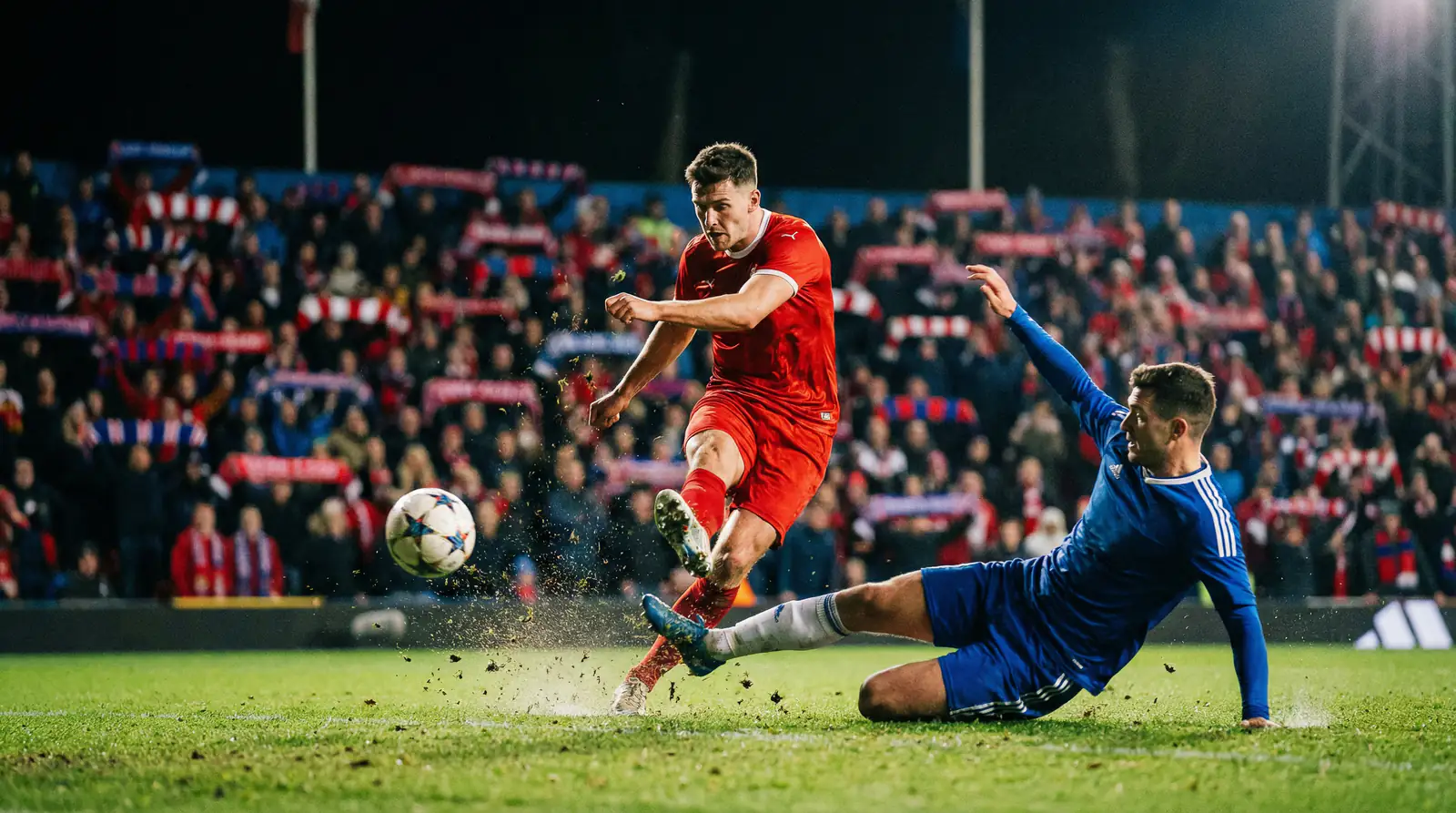
For the 2026 tournament, I am looking at three categories of group-stage value. The first is draw bets in matches where one team is heavily favoured. World Cup group-stage draws occur at a rate of about 25% across the last four tournaments, yet in many lopsided fixtures the draw is priced at 4.00 or higher — implying a 25% probability before margin. When a strong team faces a well-organised defensive side in a group opener, where both teams are cautious and the stakes are unfamiliar, the draw hits far more often than those odds suggest.
The second category is qualification bets for underdog teams in groups where the quality gap is narrow below the top seed. Group G is an obvious example: Belgium should win the group, but the second and third spots are genuinely contested. Egypt, Iran (if they participate) and New Zealand are separated by less than the market implies. A qualification bet on the All Whites at 3.50 offers real value if you believe — as I do — that the Egypt match is close to a coin flip and that third-place advancement is a genuine pathway.
The third category is first goalscorer and correct score markets in fixtures with clear quality gaps. When Germany play Curaçao, or when France face the intercontinental playoff winner in Group I, the likelihood of a specific star player opening the scoring is higher than in a tight match. Mbappé first goalscorer at 4.00 against a debutant side is not spectacular value, but Mbappé first goalscorer plus France to win 3-0 or 4-0 as a combined bet starts to look more interesting. These markets reward specific knowledge about how teams set up in the opening 20 minutes — where most first goals are scored at World Cups.
Group-stage betting at a 48-team World Cup favours the analyst over the casual punter. More teams means more unfamiliar matchups, thinner pricing data, and wider margins for bookmakers to hide behind. If you are willing to do the research — watching qualification footage, studying tactical setups, tracking injury news — the group stage is where your work pays off. For detailed picks and analysis, the value bets breakdown covers specific selections across the tournament.
One caution: value does not mean certainty. A bet is value when the true probability of an outcome is higher than the implied probability of the odds. A 3.50 price implies 29% — if you believe the real probability is 35%, that is a value bet, even though it loses 65% of the time. Managing that reality over a 39-day tournament is what separates punters who finish ahead from those who blow their bankroll in the first week.
How to Place a World Cup Bet on TAB NZ
I get this question more often than you would think — not from experienced punters but from Kiwis who have never bet on football before. Rugby and racing dominate the TAB NZ ecosystem, and plenty of people who confidently back a Super Rugby multi every weekend have never touched a football market. The good news is that the mechanics are identical. The interface, the bet slip, the cash-out feature — all of it works the same way regardless of the sport. The difference is in the markets themselves, and that is where a little preparation goes a long way.
To place a World Cup bet, you need an active TAB NZ account. Registration requires you to be 18 or older and a New Zealand resident. The process is straightforward: provide your name, address, date of birth, and verify your identity. Deposits can be made via bank transfer, debit card or POLi — TAB NZ does not accept credit cards for gambling transactions, which is a regulatory requirement under the Gambling Act 2003. Once your account is funded in NZD, you navigate to the football section, find the FIFA World Cup 2026 markets, and select your bet. The odds displayed are in decimal format — the standard in New Zealand — and your potential return is calculated automatically on the bet slip.
Quick return calculation:
You place $50 on New Zealand to beat Egypt at decimal odds of 3.80.
Return if the bet wins: $50 x 3.80 = $190 (includes your original $50 stake).
Profit: $190 - $50 = $140, all of it tax-free.
TAB NZ also offers a cash-out feature on selected markets, which lets you settle a bet before the event finishes. If the All Whites are leading Egypt 1-0 at halftime and you want to lock in a profit rather than risk an equaliser, cash-out gives you that option at a reduced payout. It is a tool I use selectively — mostly on multis where three of four legs have won and I want to secure the return rather than sweat the final leg.
For live betting during matches, TAB NZ updates odds in real time as the action unfolds. The NZT afternoon kick-offs make this particularly practical: you can follow the match on TVNZ or TVNZ+ and adjust your bets as momentum shifts. A comprehensive guide to TAB NZ's World Cup features — including account setup, deposit methods, responsible gambling tools and the full market range — is available separately. If you have never placed a football bet before, I would suggest getting your account set up and placing a small wager on a friendly or a pre-tournament fixture before the World Cup kicks off on 11 June. Familiarity with the interface will save you from fumbling when the All Whites take the field against Iran.
Responsible gambling matters. A 39-day tournament with matches every day creates sustained temptation. TAB NZ offers deposit limits, self-exclusion tools and cooling-off periods. Set a total World Cup budget before the tournament starts and stick to it. The Gambling Helpline NZ is available at 0800 654 655 if you or someone you know needs support.
World Cup 2026 Betting FAQ
What betting markets will TAB NZ offer for the 2026 World Cup?
TAB NZ is expected to offer the widest range of football betting markets in its history for the 2026 tournament. This includes outright winner, group winner, top goalscorer (Golden Boot), head-to-head match results, draw no bet, Asian handicaps, over/under goals, correct score, first goalscorer, player props, and multi-bet options across all 104 fixtures. Live in-play betting will also be available during matches, with odds updating in real time. The specific markets available for each match will depend on the fixture — high-profile matches like the final and semi-finals typically attract more specialist markets than early group-stage games between lower-ranked teams.
Are World Cup betting winnings taxed in New Zealand?
No. Under current New Zealand tax law, winnings from sports betting — including World Cup wagers placed through TAB NZ — are not subject to income tax. This applies regardless of the amount won, the number of bets placed, or whether you treat betting as a regular activity. A $10 stake that returns $500 is fully yours. This tax-free status covers all forms of gambling winnings in New Zealand and is one of the more punter-friendly aspects of the local regulatory environment.
When do the All Whites play at the 2026 World Cup in NZ time?
The All Whites have three group-stage fixtures: Iran vs New Zealand on 16 June at 1:00 p.m. NZT (SoFi Stadium, Los Angeles), New Zealand vs Egypt on 22 June at 1:00 p.m. NZT (BC Place, Vancouver), and New Zealand vs Belgium on 27 June at 3:00 p.m. NZT (BC Place, Vancouver). All three matches fall during the NZ afternoon, and two of three are on weekends. If the All Whites advance to the Round of 32, that match would be played between 29 June and 2 July, with specific timing confirmed after the group stage concludes.
Can I use an offshore bookmaker to bet on the World Cup from New Zealand?
No. Since 28 June 2025, the Racing Industry Act 2020 amendments have explicitly banned offshore sports betting operators from serving New Zealand residents. TAB NZ is the only legal platform for placing sports bets in New Zealand. While some offshore sites may still accept NZ-based registrations, using them places you outside the regulatory protections offered by the Gambling Act 2003, and you have no legal recourse if a dispute arises over payouts or account issues. The penalties under the updated law target the operators rather than individual bettors, but the legal and practical risks of using unregulated platforms are real.
What are the best value bets for Kiwi punters at the 2026 World Cup?
Value at this tournament sits primarily in group-stage markets rather than outright bets. The 48-team format creates more mismatches and unfamiliar fixtures that bookmakers have limited data to price accurately. Specific areas to watch include draw bets in group openers between teams of similar quality, qualification bets on third-placed teams in competitive groups, and correct score markets in fixtures with clear quality gaps. The All Whites' qualification at 3.50 is one example of a potentially generous price — the third-place pathway under the new format makes advancement more plausible than the odds suggest. Always compare the implied probability of the odds with your own assessment of the likely outcome before placing a bet.
How do decimal odds work on TAB NZ?
Decimal odds show your total return per dollar staked, including the stake itself. If a team is priced at 2.50, a $10 bet returns $25 (profit of $15). The calculation is always: stake multiplied by odds equals total return. To find the implied probability, divide 1 by the odds — so 2.50 implies a 40% probability (1 divided by 2.50 equals 0.40). Decimal format is the standard across New Zealand and Australia, and TAB NZ displays all prices in this format by default. For a more detailed walkthrough with World Cup examples, the decimal odds explainer elsewhere on this site covers everything from basic calculations to spotting value.
